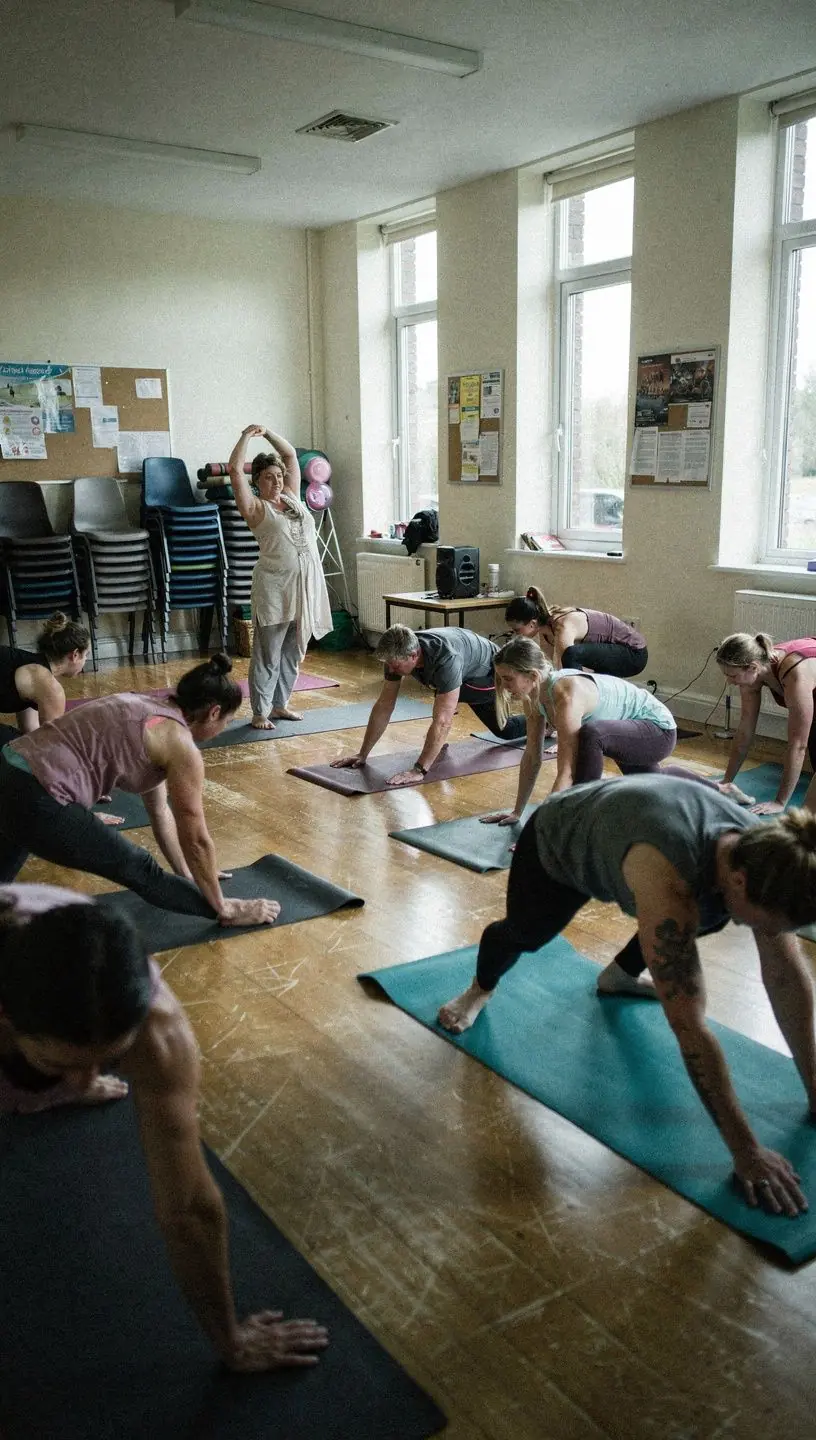
Creating a Feedback Loop for Future Events
Gathering feedback from participants is essential for the continuous improvement of community events. By creating a robust feedback loop, event organizers can enhance attendee experiences and ensure future events align with community interests.
Understanding the Importance of Feedback
According to research, organizations that actively seek and implement feedback often see a marked improvement in attendee satisfaction. Feedback loops are critical as they allow organizers to understand what participants enjoyed and what areas require enhancement. This iterative process typically involves collecting, analyzing, and acting on feedback to foster a better event experience.
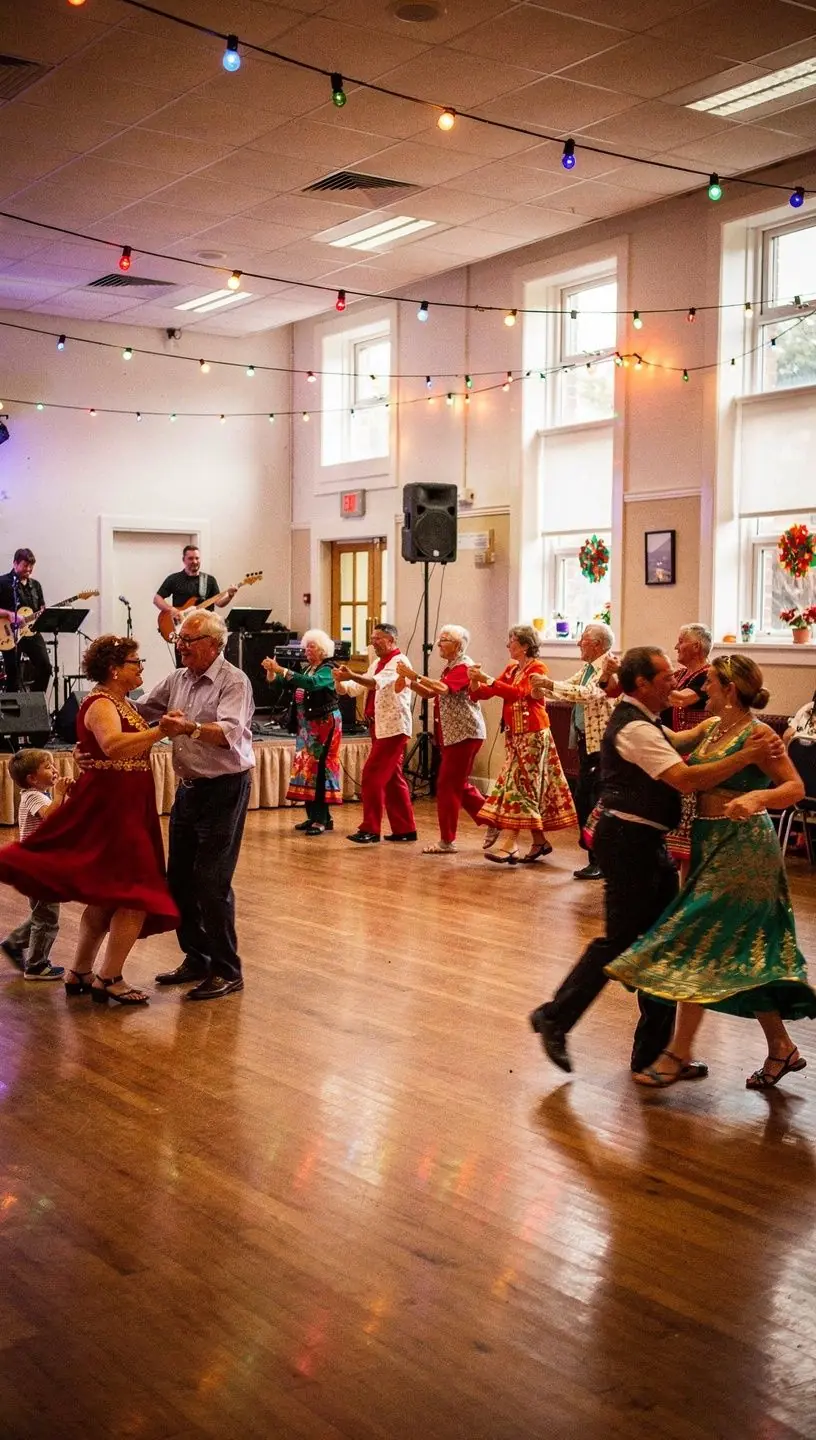
"Collecting feedback is not just about hearing what worked; it's about understanding what can be improved for future events." - Event Planning Expert
Methods for Collecting Feedback
There are several effective methods for collecting feedback from attendees:
- Surveys: One of the most common methods is to distribute surveys immediately after an event. Studies show that feedback collected within 24 hours is often the most candid and accurate.
- Focus Groups: Organizing small group discussions can provide deeper insights. This approach typically requires more time and effort but can yield rich qualitative data.
- Social Media Engagement: Many participants often share their experiences on social media platforms, which can serve as an informal but valuable feedback source.
Analyzing Feedback for Continuous Improvement
Once feedback is collected, it is essential to analyze it thoughtfully. Industry experts recommend categorizing responses into themes for easier identification of common trends. This process can involve:
- Identifying patterns in responses to pinpoint areas of concern.
- Comparing feedback across different events to determine what changes had positive or negative impacts.
- Engaging with the community by sharing insights gained from their feedback, which can foster a sense of ownership and encourage further participation.
Implementing Changes and Communicating with the Community
After analyzing the feedback, the next step is to implement changes based on insights gained. It is crucial to communicate these changes back to the community. Transparency helps build trust and demonstrates that their opinions are valued. This can be done through:
- Newsletters highlighting what changes have been made.
- Social media posts that showcase improvements and invite further engagement.
- Follow-up surveys after future events to see if participants notice the changes.
Conclusion
Creating a feedback loop is an ongoing process that requires commitment and attention. While the initial setup may take some time and effort, the benefits are clear. Engaging with your community through feedback not only enhances future events but also fosters a stronger connection between organizers and attendees. This reliable and effective approach can help ensure that community events reflect the interests and desires of the people they serve.
Read More