Practices for Promoting Inclusivity in Events
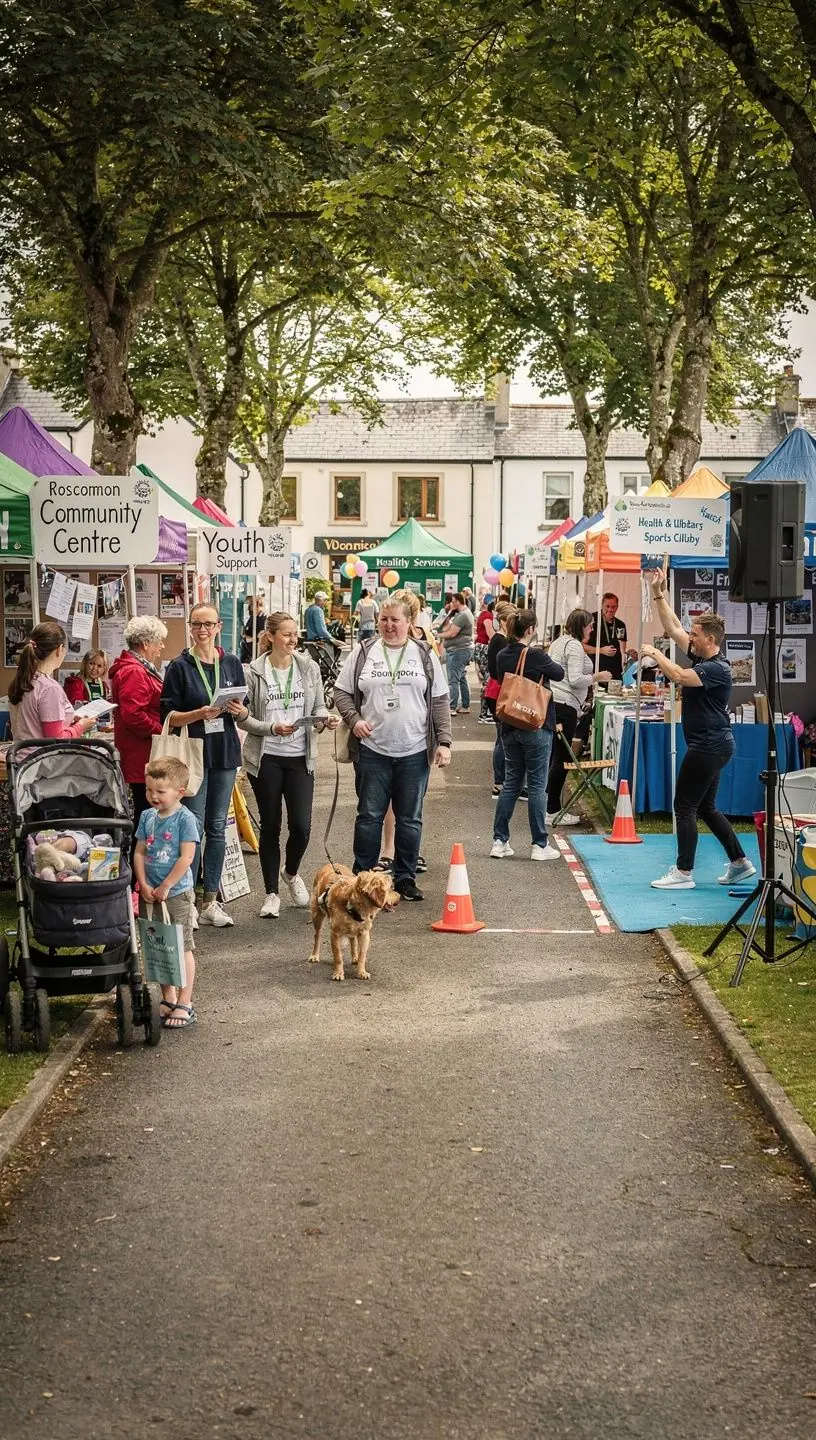
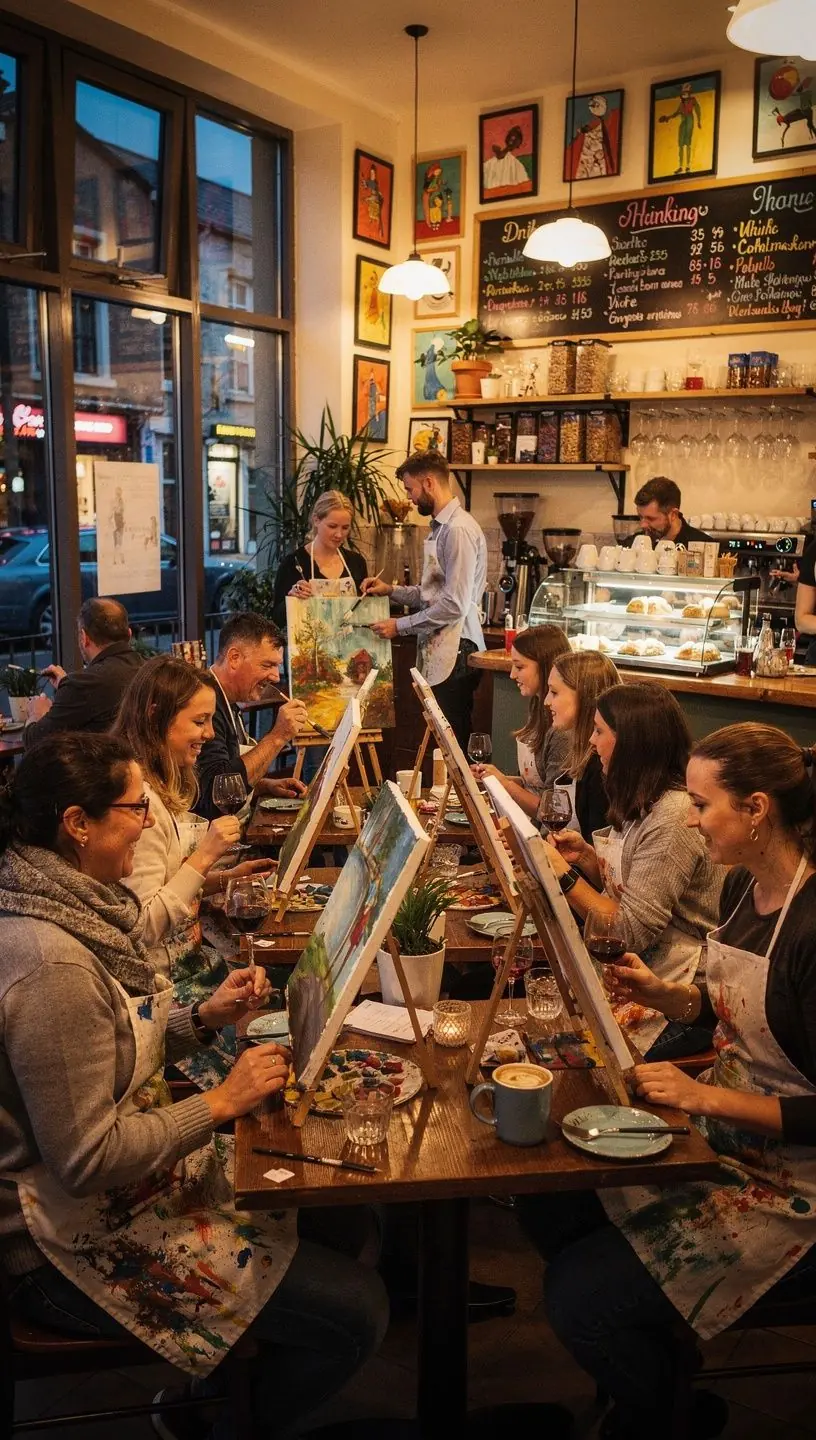
Inclusivity is essential in creating a welcoming environment for all community members. This article explores effective practices for promoting inclusivity in local events, helping you engage a diverse audience in music sessions, board game clubs, and social activities.
Understanding the Importance of Inclusivity
Inclusive events foster a sense of belonging and community, which can significantly enhance participant engagement. According to research conducted by the National Council for Special Education, inclusive practices in community activities can lead to improved collaboration and social cohesion.

"Creating inclusive spaces not only benefits marginalized groups but enriches the experience for everyone involved." - Community Organization Expert
Strategies for Enhancing Inclusivity
Implementing inclusive practices requires thoughtful planning and a commitment to meeting the needs of all participants. Here are several strategies to consider:
- Accessibility Considerations: Ensure that venues are accessible to individuals with disabilities. This may include providing ramps, accessible restrooms, and clear signage. Research indicates that accessible venues tend to attract a broader audience and enhance participation rates.
- Diverse Programming: Offer a variety of activities that cater to different interests and backgrounds. Studies show that events featuring diverse programming can appeal to a wider demographic, thereby increasing attendance and engagement.
- Community Feedback: Actively seek input from community members about their needs and preferences. Conducting surveys or hosting focus groups can provide valuable insights that shape your event planning. Engaging in this feedback loop demonstrates a commitment to inclusivity and community involvement.
Creating a Welcoming Atmosphere
Fostering a welcoming atmosphere is crucial for encouraging participation. Here are some practices to consider:
- Train Staff and Volunteers: Ensure that all staff and volunteers are trained in inclusivity and diversity awareness. Providing training can help them understand the importance of creating a welcoming environment for all attendees.
- Promote Inclusive Language: Use language that is welcoming and inclusive in all promotional materials. This sets the tone for the event and encourages participation from individuals of all backgrounds.
- Offer Multilingual Support: If your community is linguistically diverse, consider offering translation services or multilingual materials. Research indicates that such efforts can significantly enhance engagement from non-native speakers.
Monitoring and Evaluation
To assess the effectiveness of your inclusive practices, it’s essential to monitor and evaluate participant feedback after events. This typically involves:
- Collecting feedback through surveys that include questions specifically focused on inclusivity.
- Analyzing attendance data to identify trends in participation across different demographics.
- Adjusting future events based on feedback to continually enhance inclusivity.
Conclusion
Promoting inclusivity in community events is a continuous process that requires dedication and thoughtful action. By implementing the strategies discussed, you can create engaging, accessible, and welcoming experiences for all participants. Remember, building an inclusive community benefits everyone and enriches the local culture.