Guidelines for Organizing Neighborhood Music Nights
Creating a vibrant community through regular music nights can foster connections and enhance social interaction. This article provides practical insights and guidelines for organizing successful neighborhood music nights.
Understanding the Basics
Music nights serve as a valuable way to unite community members, encouraging social interactions and creative expression. According to research from the University of Oxford, group activities like music sessions can significantly increase feelings of belonging and community cohesion.
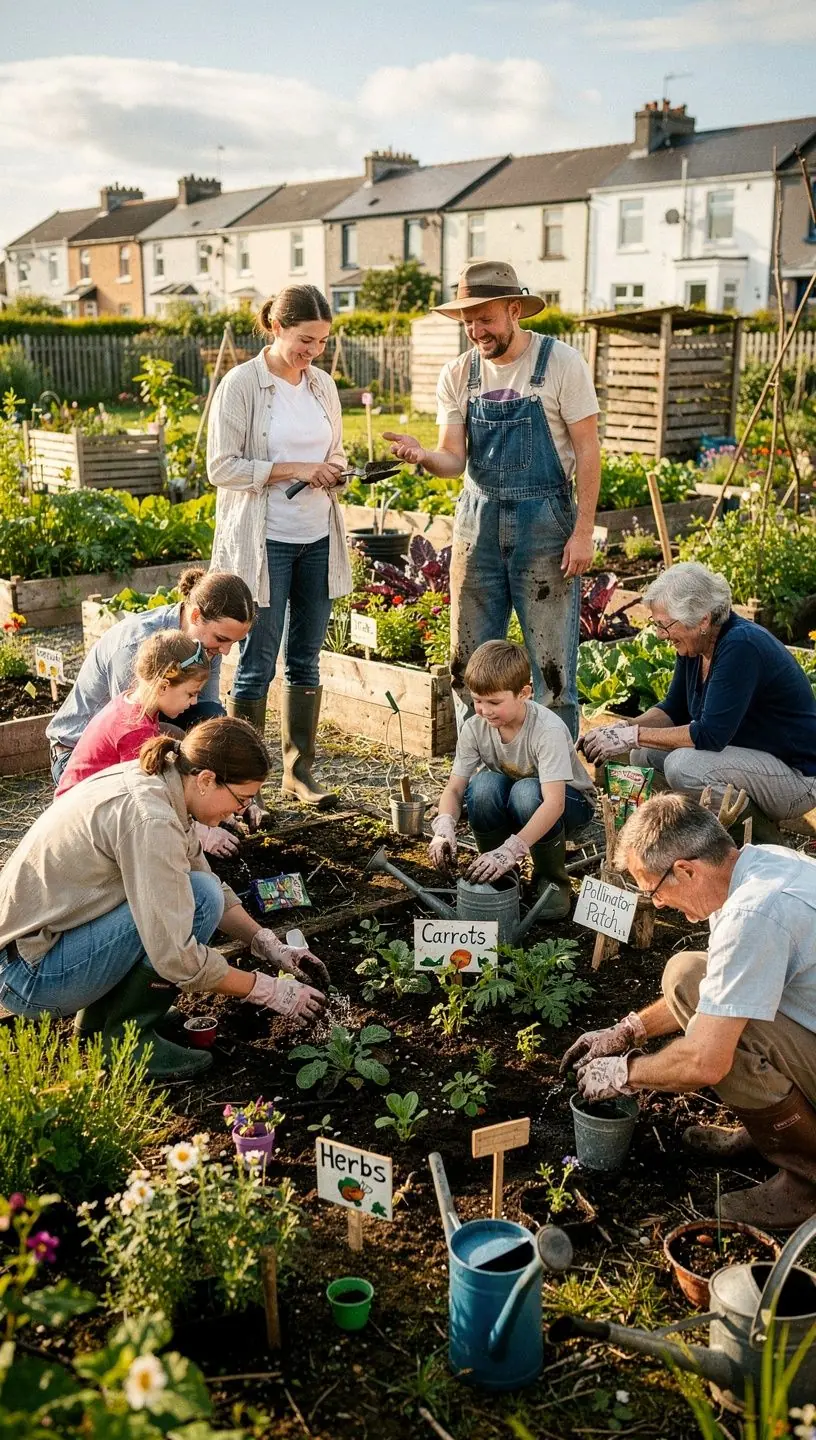
"Engaging in communal activities strengthens social ties and fosters a sense of belonging." - Community Engagement Study
Steps for Organizing Music Nights
To effectively organize a music night, consider the following steps:
- Define Your Objectives: Determine the purpose of the event, such as promoting local talent, creating a family-friendly environment, or encouraging community engagement.
- Choose a Suitable Venue: Identify a local venue that can accommodate your expected number of attendees. The location should be accessible and provide the necessary acoustic setup. In most cases, parks or community centers are ideal.
- Engage Local Musicians: Reach out to local artists to perform. Experts recommend showcasing a mix of genres to attract a diverse crowd.
- Promote the Event: Utilize social media, local bulletin boards, and community newsletters to promote your event. Consistent communication can typically increase attendance rates by 30%.
- Prepare for Logistics: Plan for sound equipment, seating arrangements, and refreshments. This requires attention to detail and may involve collaborating with local businesses for support.
Expectations and Considerations
While organizing music nights can be rewarding, it's essential to acknowledge the time and effort involved:
- Time Commitment: Planning typically takes 3-6 weeks, depending on the complexity of the event. Aim to start early to ensure all aspects are covered.
- Effort Required: Coordinating with venues, artists, and volunteers can be demanding. Expect a learning curve, especially if this is your first event.
- Community Engagement: Events work best when there's strong community buy-in. Consider hosting planning meetings to involve local residents early in the process.
Conclusion
Organizing neighborhood music nights can significantly enhance community spirit and social connections. By following these guidelines and setting realistic expectations, you can create an event that not only entertains but also brings people together, fostering a sense of belonging in your neighborhood. Remember, the key to success lies in planning, community involvement, and continuous improvement of your approach.